
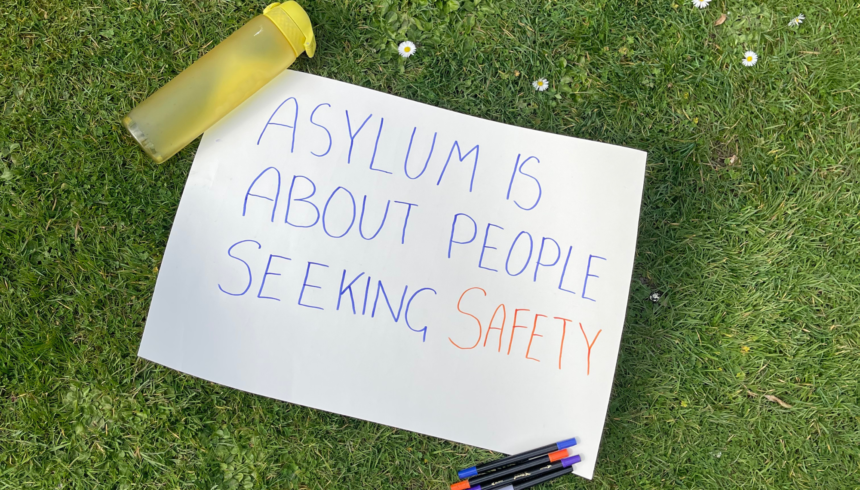
The Immigration and Asylum Bill 2026 deepens the attack on refugees and survivors of modern slavery.
Unable to access adequate legal advice and facing a complex and hostile determination system, already, refugees face huge barriers to protection. At JRS UK, we work every day alongside people seeking safety who have been wrongly denied it. And recent laws and policies have increased barriers to asylum – for example, introducing new processes under which the government refuses even to examine claims and punishing refugees for how they travel.
And already, survivors of modern slavery face an uphill battle for recognition and support, and are often criminalized and left vulnerable to retrafficking
This Bill would make an already terrible situation worse. JRS UK urges MPs to reject this legislation.
Undermining the right to appeal
The replacement of the first-tier tribunal with a ‘independent immigration appeals authority’, in the manner laid out in the Bill, risks undermining the independence of asylum and immigration appeal decisions: the move would weaken the separation of powers, with more government control over the appeal body. Furthermore, people deciding appeals are told they will need to“have regard to the public interest, and in particular to the fact that the IIAA operates as a key part of the immigration and asylum system” – a system that the government says is geared towards increasing removals. This seriously risks eroding justice and leading to more people being denied the protection they badly need.
We work with people refused asylum and made destitute. Many are subsequently recognised as needing protection after submitting fresh claims. But in the meantime, they are subjected to years of enforced destitution during which they are vulnerable to abuse, exploitation, and serious deterioration of their physical and mental health.
The proposed changes to the appeal system pose a serious risk of extending this horrendous reality to more people.
Tearing families apart
Restrictive changes to interpretation of Article 8 rights (rights to family life) risk tearing families apart – in a context where in reality this is already happening too often. Notably, as the Bill reads, family life could be irrelevant if you are undocumented.
Punishing refugees for needing support
Plans to force people to pay £10,000 towards asylum support after recognition of their refugee status are cruel and impractical.
People in the asylum process are not allowed to work or access public funds, and therefore forced to rely on asylum support to survive. Already, they face a daily struggle to meet basic needs, while living in run down and frequently unsafe accommodation. To then burden them with debt on account of this is doubly unjust.
On top of this, if plans to make people repay asylum support are enacted, fear of accruing debt may prevent people waiting for asylum decisions from claiming support, pushing them into destitution and leaving them vulnerable to exploitation.
For newly recognised refugees, the period after a positive decision should be a time to begin rebuilding their lives: starting work or study, finding housing, connecting with community. A £10,000 debt makes that so much harder.
Locking modern slavery survivors out of protection
Changes to modern slavery processes will lock more survivors out of support, further entrenching a culture of disbelief against victims.
For example, under the Bill, officials determining whether someone is a survivor will need to be really suspicious of anyone who didn’t disclose all relevant information right away. But it’s well-established that trauma makes it difficult to disclose, and that survivors of modern slavery understandably struggle to trust authorities.
A Bill that will cause more suffering
The Immigration and Asylum Bill 2026 will not create a fairer or more humane system for people seeking safety. It will deepen hardship for refugees, undermine access to justice, separate families, and make it harder for survivors of modern slavery to receive support.
We urge MPs to reject this legislation and instead work towards an asylum system rooted in dignity, protection, and justice.
Find out more about our asks, and send a postcard to the Prime Minister, at www.jrsuk.net/defend-asylum